Eczema and dermatitis: symptoms, skin care and when to seek help
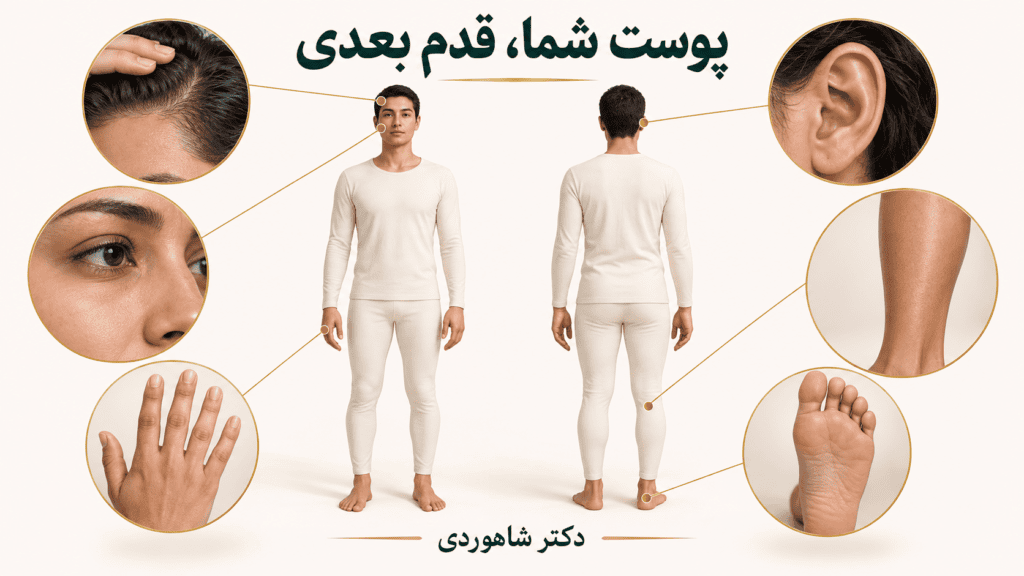
Eczema describes several kinds of skin inflammation. Itching, dryness, scaling and cracks may improve with gentle care, but a recurring rash needs the right diagnosis before stronger treatment. Start with a fragrance-free moisturiser and less irritation. Seek urgent medical help for fever, rapidly spreading painful skin, clustered painful blisters or eye symptoms.
Recognising the pattern
Atopic dermatitis often returns in flares and may accompany a personal or family history of asthma or hay fever. Irritant contact dermatitis can develop after repeated wet work, detergents or friction. Allergic contact dermatitis follows sensitivity to a substance touching the skin. These conditions may overlap, but their investigation and prevention differ.
Eczema can appear pink or red on lighter skin, and darker, purple, grey or less obviously red on darker skin. Look beyond colour: itch, roughness, swelling, cracking and sleep disruption matter. Coin-shaped patches, hand dermatitis and inflammation around the eyes need individual assessment. Fungal infection and psoriasis can resemble eczema.
What an assessment can clarify
A dermatologist reviews where the rash began, its course, products, work exposures and previous medicines, then examines the skin. Patch testing may help when delayed contact allergy is suspected; it is different from an IgE blood test. A scraping or biopsy is sometimes needed for an unusual or persistent rash. Every patient does not need the same tests.
High IgE alone neither explains all eczema nor identifies a food to avoid. Broad allergy panels and restrictive diets can confuse care, particularly in children. Discuss a reproducible reaction to a particular food or product rather than assuming every flare is an allergy.
A daily routine that protects the barrier
Use lukewarm water, a gentle cleanser where needed and a clean towel to pat rather than rub. Apply a tolerated fragrance-free cream or ointment after washing and whenever the skin feels dry. Keep the routine simple enough to repeat; introduce changes one at a time so that irritation is easier to recognise.
Protect hands from repeated wet work and harsh chemicals, avoid rough fabric against inflamed skin, and keep nails short. If a moisturiser repeatedly burns or worsens the rash, show its ingredients to the clinician. Wet wraps and bleach baths need specific professional instructions; an improvised recipe can injure skin.
Treatment follows the diagnosis and body site
Barrier care and treatment of inflammation often work together. A clinician may choose a topical corticosteroid or another anti-inflammatory medicine, with instructions for the exact site and duration. Eyelids, face, genital skin, children and the rest of the body do not share one interchangeable prescription.
When atopic dermatitis remains widespread or disrupts sleep despite appropriate topical care, medical phototherapy or systemic treatment may be discussed. Targeted medicines require a review of risks and monitoring. Antibiotics address an infection when indicated; they are not the routine answer to every eczema flare. A tanning bed is not a substitute for medical phototherapy.
Pregnancy, hormones and insulin resistance
Tell the clinician about pregnancy, breastfeeding or plans to conceive before changing treatment. New severe pregnancy itching, especially at night or on the palms or soles, warrants urgent contact with the maternity team even if you also have eczema. Eczema does not diagnose PCOS or insulin resistance. Menstrual changes or metabolic concerns deserve their own assessment.
When to seek help sooner
Arrange an assessment if the rash returns repeatedly, fails to improve, becomes one-sided or affects sleep, work or sensitive sites. Pain, warmth, pus, fever, rapid spread or grouped painful blisters require same-day care; infection can complicate eczema. Breathing difficulty or sudden throat swelling is an emergency. Do not wait for a routine clinic appointment.
Dr Shahverdi’s practical notes
These points paraphrase practical guidance published in Dr Shahverdi’s Persian guide on this topic.
- A body location is not a diagnosis: a facial rash can have several causes.
- Keep the routine simple and record what helps or irritates the skin.
- Do not transfer a cream prescribed for the body to the face, a child or genital skin.
- Temporary improvement with a cream does not confirm the diagnosis; review recurrence and follow-up.
Common questions
Is eczema contagious?
Eczema itself is not contagious. A different condition or an infection may still need separate treatment.
Does normal IgE rule out eczema?
No. Clinical history and examination matter more than a single blood result.
Should I use a stronger steroid if the rash returns?
Ask for a review of the diagnosis, site, exposures and treatment plan before increasing strength.
Preparing for a consultation with Dr Shahverdi
Bring product packaging, a medicine list, comparable photographs and a note of flares, sleep disruption and work exposures. Ask which treatment belongs on each area, how long to use it and what should urgent earlier contact.

For a dermatology assessment at the clinic in Niavaran, Tehran, use the official contact and appointment page or call +98 21 2218 5180. Confirm the appointment time and any language arrangements before travelling. The examination determines whether treatment, further investigation or referral is appropriate. This guide cannot diagnose your condition or promise a treatment result. Urgent symptoms should be assessed through local urgent or emergency services.