Psoriasis: skin, scalp and nail symptoms and treatment choices
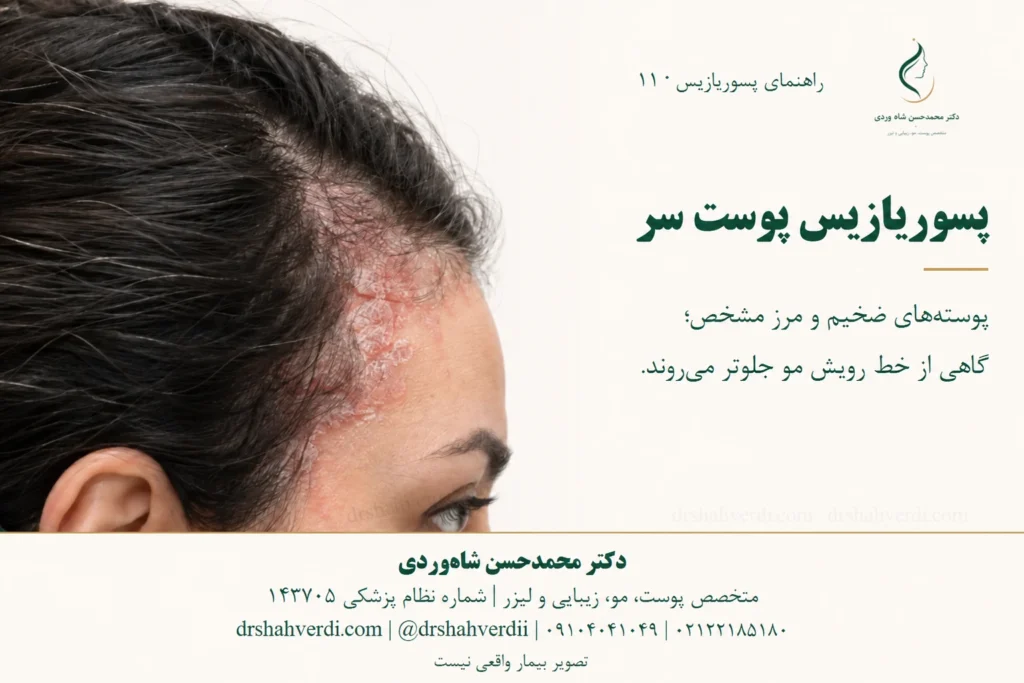
Psoriasis is a long-term inflammatory condition that can affect skin, scalp and nails. It is not contagious. Treatment can control symptoms, but there is no guaranteed permanent cure. A good assessment considers pain, itch, affected sites, joint symptoms and daily life, rather than judging the condition only by the size of a visible patch.
The pattern can vary
Plaque psoriasis often produces well-defined thickened patches with scale. Patches may be red or pink on lighter skin and darker or grey-toned on darker skin. Scalp involvement may extend beyond the hairline. Nail pitting, thickening or separation can occur, but similar nail changes have other causes, including fungal disease.
Some people have many small spots after an illness; others have smoother inflammation in skin folds. Pustular or widespread intensely inflamed patterns require particular attention. Itch intensity alone does not separate psoriasis from eczema. A scalp photo or a flaking elbow is not enough to select a treatment.
What diagnosis and severity involve
The clinician examines the skin, scalp and nails and asks about family history, illness, medicines and previous treatment. A biopsy is sometimes considered if the diagnosis is uncertain. Discuss difficult locations such as the face, genitals, palms or soles: a small affected area can still cause considerable discomfort or disability.
Tell the clinician if pain disrupts walking, hand use, sleep, intimacy or work. These effects belong in the treatment decision. Comparable photographs and an honest record of how treatment was used can help when the disease is quieter on the day of the visit.
Do not overlook joints or general health
Recurring joint pain or swelling, stiffness after rest, a swollen finger or toe, heel pain or back symptoms should be reported. Some people develop psoriatic arthritis, which benefits from early assessment and may need a rheumatologist. A skin cream does not address joint inflammation.
Psoriasis is associated with metabolic and cardiovascular conditions in some people. Discuss your blood pressure, diabetes history, smoking and other risk factors with the appropriate clinician. Association does not prove that insulin resistance caused your psoriasis or that everyone needs a hormone panel. Menstrual or androgen-related symptoms require a separate clinical question.
Practical care between appointments
Use gentle washing, lukewarm water and a tolerated moisturiser. Avoid picking scale or scratching to the point of injury. Protect the scalp and nails from rough handling. Record triggers that repeatedly affect you, such as stress, an illness or a new medicine, rather than assuming that one trigger explains every flare.
Healthy eating, activity and support to stop smoking can help general health and may support disease management. Extreme diets or supplements are not a replacement for treatment. Tell the clinician about mood changes or embarrassment. Support for the emotional impact can be part of care alongside the skin plan.
Choose a plan for the site and impact
Topical treatments may include corticosteroids, vitamin D-related medicines or other agents selected for the body site. Face and fold skin need a different approach from thick plaques. A prescribed combination should come with clear instructions for where to use each product and when to review it.
Medical phototherapy or systemic medicines, including targeted treatments, may be considered for more extensive or impactful disease. They require discussion of benefits, risks and monitoring. Tanning beds are not interchangeable with supervised phototherapy. Tell the clinician about pregnancy plans, pregnancy or breastfeeding before medicine selection; some treatments must be changed.
When symptoms need faster assessment
Seek urgent medical help for rapidly widespread redness, extensive new pus-filled lesions, fever or feeling seriously unwell. Painful eye redness or changes in vision need urgent eye assessment. New joint symptoms, side effects or treatment failure warrant review. Do not wait for a routine follow-up if the condition has changed significantly.
Once symptoms improve, agree on maintenance and the next review. Ask which problems require earlier contact and which tests relate to the particular medicine. A fixed package of tests is not suitable for every patient.
Dr Shahverdi’s practical notes
These points paraphrase practical guidance published in Dr Shahverdi’s Persian guide on this topic.
- Bring medicines, supplements, previous treatment responses and relevant test or biopsy results.
- Mention pregnancy plans, recent sore throat, joint symptoms and side effects.
- A useful review includes skin, nails, joints and the effect on daily life.
- Treatment response, tolerance and changing life circumstances should be reconsidered during follow-up.
Common questions
Can I catch psoriasis from another person?
No. Psoriasis itself is not contagious.
Do nail changes always mean nail psoriasis?
No. Examination and sometimes additional testing distinguish other causes.
Why return when the skin is better?
Maintenance, medicine safety and new joint or health symptoms still need an agreed review plan.
Preparing for a consultation with Dr Shahverdi
Bring a record of affected areas and practical difficulties, as well as treatments and photographs if you wish. Ask whether the plan addresses the scalp, nails and sensitive sites, what improvement to expect and how the response will be checked.

For a dermatology assessment at the clinic in Niavaran, Tehran, use the official contact and appointment page or call +98 21 2218 5180. Confirm the appointment time and any language arrangements before travelling. The examination determines whether treatment, further investigation or referral is appropriate. This guide cannot diagnose your condition or promise a treatment result. Urgent symptoms should be assessed through local urgent or emergency services.