Persistent itching: possible causes, assessment and relief
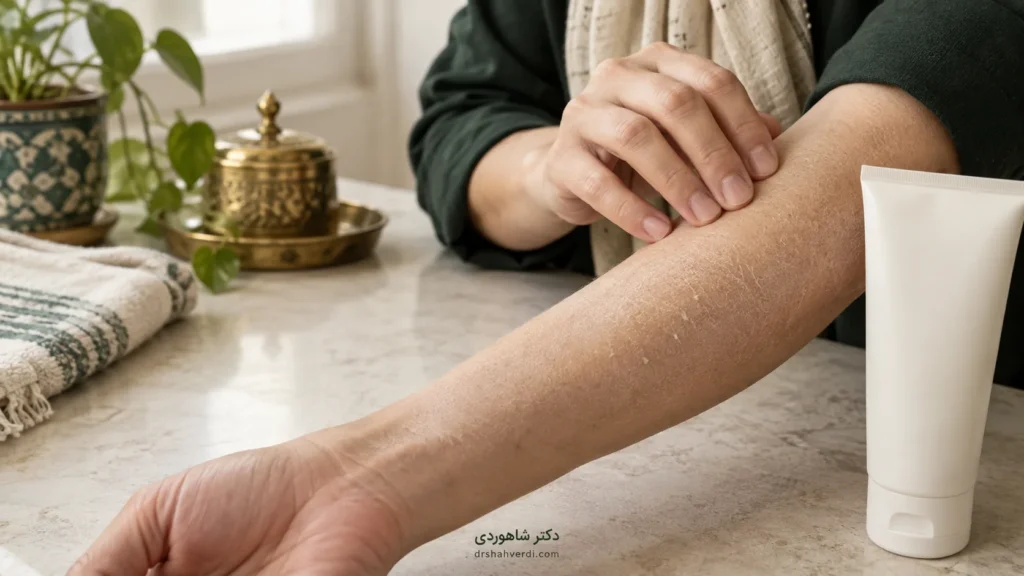
Persistent itching is a symptom, not a single disease. Dry skin, eczema, hives, infections, medicines and sometimes internal or nerve-related conditions can contribute. Itching lasting six weeks or more is called chronic, but you do not need to wait six weeks to seek help. Severe symptoms, disrupted sleep and warning signs determine how soon to be assessed.
Describe the itch before naming its cause
Note whether the itch is localised or widespread, constant or intermittent, and whether a rash appeared before scratching. Scratches can conceal the original pattern. A raised wheal that disappears quickly is different from a persistent scaly patch, and fixed one-sided itching with tingling deserves a different assessment from generalised itch.
The absence of obvious bumps does not prove an internal disease. Subtle dryness, medication effects and other causes remain possible. Conversely, a visible rash does not mean every symptom comes from that rash. Tell the clinician about duration, changing locations and any household members who also itch.
Possible causes need context
Skin-related causes include dryness, eczema, psoriasis, fungal infection and scabies. These are assessed differently. Scabies may require coordinated treatment of close contacts, while simply moisturising an untreated infection will not address it. A new medicine or supplement can also be relevant; do not stop an essential prescription without discussing it.
Kidney, liver, thyroid or other medical conditions may contribute in selected people. Unexplained persistent itch can need further assessment even when the skin looks almost normal. A list of possible causes is not a prediction that you have one of them. The next test should follow the history and examination.
How targeted assessment works
A clinician reviews skin findings, medical history, new medicines, travel, contact exposures and accompanying symptoms. Depending on what is found, tests may include a skin scraping, biopsy or selected blood tests. Imaging or specialist referral is considered when appropriate. There is no universal panel that identifies the cause of every itch.
Report unexplained weight loss, fever, night sweats, jaundice or new neurological symptoms. Bring previous results to avoid unnecessary repetition. If symptoms persist despite treatment, review whether the working diagnosis still fits and whether the plan has been feasible to follow.
Relief while the cause is investigated
Use short lukewarm showers, a gentle cleanser where needed and a tolerated fragrance-free moisturiser. Keep the room cool, wear soft breathable clothes and keep nails short. Pat rather than scratch, and use a cool cloth for temporary comfort. Avoid harsh exfoliation, very hot bathing or repeatedly testing products on inflamed skin.
Notice when scratching becomes automatic, for example while reading or trying to sleep. A simple diary can help plan practical alternatives. If a product burns or makes itch worse, note it and ask for advice. Persistent itch should not be managed indefinitely with stronger over-the-counter creams without a diagnosis.
Why one anti-itch medicine may not help
Treatment may address a skin condition, restore the barrier, modify a contributing medicine or manage an internal cause. Antihistamines help some kinds of itch, especially hives, but not every itch pathway. Failure to respond does not establish that itching is psychological.
Selected patients may discuss other medicines or medical phototherapy. Choice depends on the cause, other treatments, age and safety considerations. Sedating medicines can affect alertness and driving. Stress and sleep support can also help break an itch-scratch cycle; they complement assessment rather than dismiss physical symptoms.
When to seek urgent or earlier care
Breathing difficulty, throat swelling, fainting or a rapidly progressing severe reaction is an emergency. A painful spreading rash, fever, blisters or peeling skin needs urgent evaluation. Do not wait for a standard dermatology appointment if you are seriously unwell.
During pregnancy, severe itch, night-time worsening or itch on the palms or soles requires urgent maternity advice. A rash does not remove that need. Arrange review for itch that affects daily life, repeatedly returns or persists despite care, especially if there are new general symptoms.
Dr Shahverdi’s practical notes
These points paraphrase practical guidance published in Dr Shahverdi’s Persian guide on this topic.
- Do not label itching as stress-related before appropriate skin, medicine and medical causes have been considered.
- An antihistamine response is not a diagnostic test; a lack of response does not prove a psychological cause.
- Describe the location and accompanying sensations precisely.
- Discuss sleep and stress alongside the skin findings, and match treatment to the type of itch.
Common questions
What does itch without a rash mean?
Several causes are possible, including subtle dryness. Persistence and associated symptoms guide assessment.
Must I wait six weeks for an appointment?
No. Six weeks is a definition of chronic itch, not a waiting instruction.
Does itch prove insulin resistance?
No. Itching alone cannot diagnose insulin resistance, diabetes or PCOS.
Preparing for a consultation with Dr Shahverdi
Bring a symptom timeline, photos if a rash comes and goes, a full medicine list and relevant test results. Describe sleep loss, the first skin changes and any new general symptoms. Ask what is being investigated and when the plan should be reviewed.

For a dermatology assessment at the clinic in Niavaran, Tehran, use the official contact and appointment page or call +98 21 2218 5180. Confirm the appointment time and any language arrangements before travelling. The examination determines whether treatment, further investigation or referral is appropriate. This guide cannot diagnose your condition or promise a treatment result. Urgent symptoms should be assessed through local urgent or emergency services.