
Melasma treatment starts with confirming the cause of pigmentation and building a routine the skin can tolerate. There is no single best cream, medicine or laser for everyone. This guide explains the main options and the questions to ask before starting them. The dose, duration and combinations of prescription treatment must be selected for the individual.

Start with the goal and diagnosis
A treatment plan should explain what is being treated, how improvement will be judged and when to review it. Dark patches can arise from more than one condition. If the diagnosis is uncertain, adding products can obscure the pattern and create irritation. Read our melasma overview and pigmentation comparison before choosing a product by its advertising.
Topical options are different tools
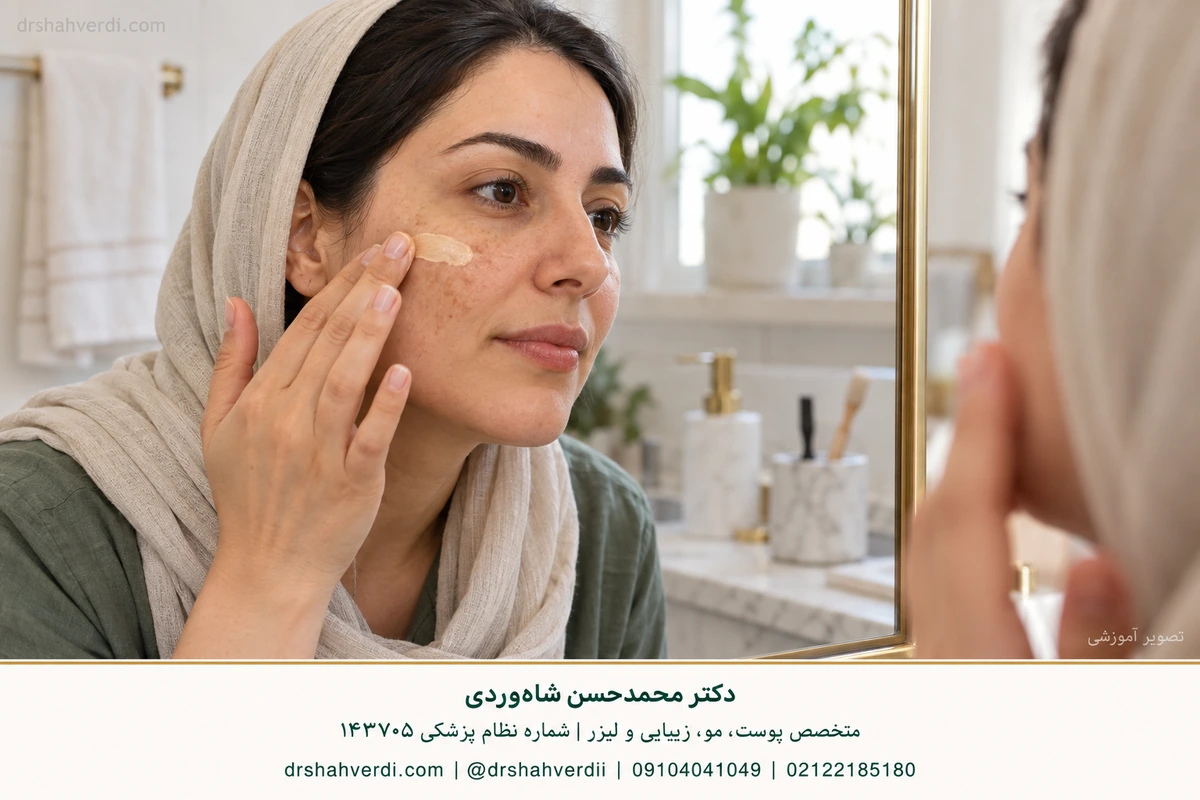
Topical means applied to the skin, as a cream, gel or serum. Hydroquinone is a pigment-lightening medicine and an established option for melasma. A prescribed triple-combination cream contains three medicines: hydroquinone, a retinoid from the vitamin A family, and a corticosteroid to reduce inflammation. It is not a general everyday brightening cream. Azelaic acid and other selected topical ingredients may also be considered. Previous response, irritation and medical circumstances guide the choice; a longer ingredient list does not prove better results. International expert consensus.
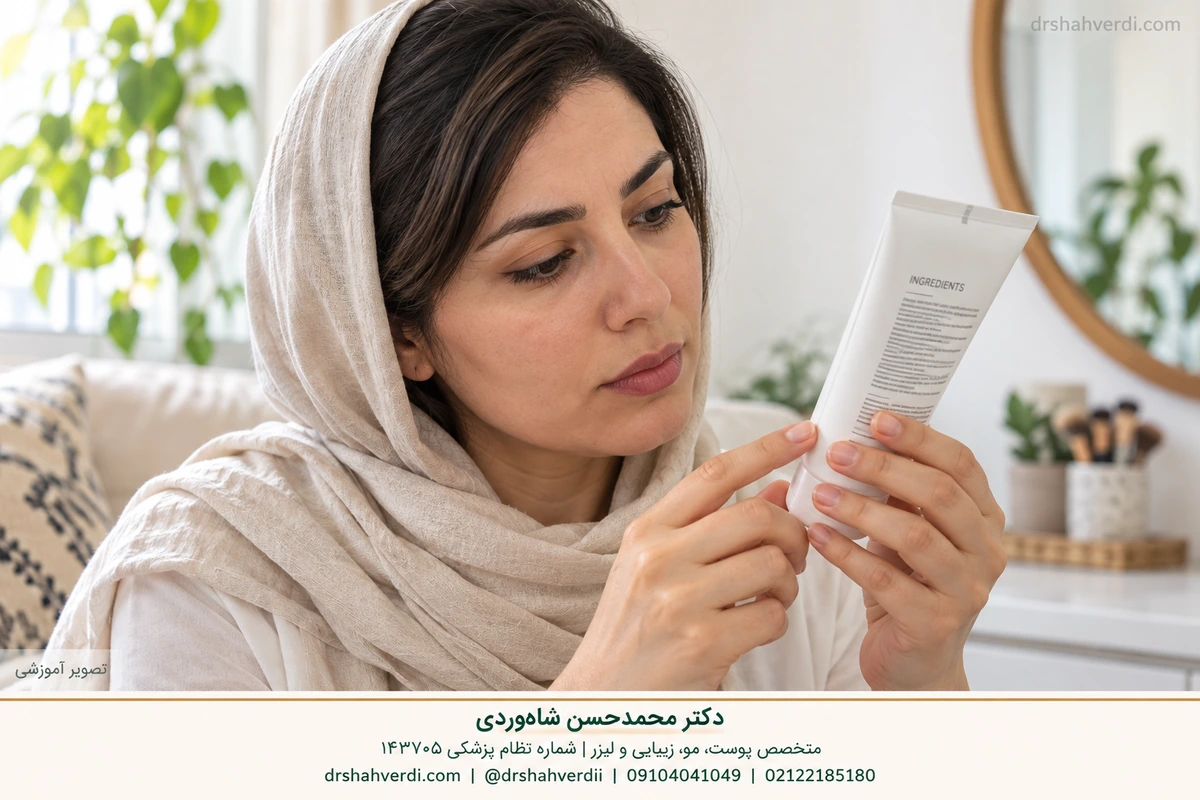
Compare the ingredient, studied formula and tolerability
Scroll sideways to see all columns.
| Option | What the name tells you | What to discuss |
|---|---|---|
| Hydroquinone and triple combination | Established pigment-lightening prescriptions. A recognised triple combination contains hydroquinone, tretinoin and a corticosteroid such as fluocinolone acetonide. | Duration, irritation, review and a separate maintenance plan. A percentage such as 2% or 4% is a concentration, not an individual regimen or a guarantee of a stronger result. Do not add a steroid on your own. |
| Retinoids, azelaic acid, niacinamide | Different agents with different roles and evidence. Cosmetic retinol and medicinal tretinoin are not interchangeable by comparing percentages. | Diagnosis, other active products and tolerance. A lower-irritation option may suit some people; all alternatives are not proven equally effective. |
| Cysteamine | A topical pigment treatment studied in specific formulations. Cysteamine hydrochloride identifies a chemical form; it does not establish the quality of every cream. | Exact product, contact instructions on its label, odour, stinging and whether the skin tolerates it. Do not make a home mixture or infer a food/supplement effect from cream research. |
| Thiamidol (isobutylamido thiazolyl resorcinol) and 2-MNG (2-mercaptonicotinoyl glycine) | Ingredients in some formulated products; formulation-specific trials are different from a head-to-head comparison of every brand. | Thiamidol’s 2026 trial compared it with a cream vehicle in facial hyperpigmentation. 2-MNG’s 2025 trial supported the studied formula’s noninferiority within its defined comparison; neither result means universal superiority or pregnancy safety. |
| Kojic acid, arbutin, vitamin C | Ingredients that may appear in brightening products; evidence and performance depend on the full formula. | Use, tolerance and the actual label. A long ingredient list or higher concentration cannot establish the best treatment for an individual. |
For more detail, see hydroquinone and combinations, retinoids, cysteamine and new ingredients and research (Persian guides). Legal availability depends on country and exact product. In the United States, FDA explains the restriction on OTC hydroquinone skin-lightening products; this statement does not establish Iranian authorisation, availability or dispensing rules.
If you are comparing a melasma cream in the UK or UAE, check the complete ingredient list and strength rather than choosing by a “whitening” label. Ask a locally registered pharmacist about the exact product’s authorisation and prescription requirements. Prices and stock require a current local check. Bring the packaging to your clinician so the product can be assessed alongside your diagnosis and pregnancy or breastfeeding plans.
What to review before prescribing
Bring the packaging or ingredient lists of products you already use. Include any steroid-containing combination, exfoliant and imported whitening cream. Explain previous reactions and how long each product was used. Pregnancy, breastfeeding, plans to conceive and relevant medical history can change the options. Agree on one clear schedule, a review date and what symptoms should trigger earlier contact.

Oral treatment and procedures
Oral tranexamic acid means taking this medicine as a tablet. It is used off-label for selected resistant melasma and requires a medical risk review, including a history of blood clots. A tablet, a skin product and a skin injection are different routes of use; evidence and safety for one route cannot simply be transferred to another.
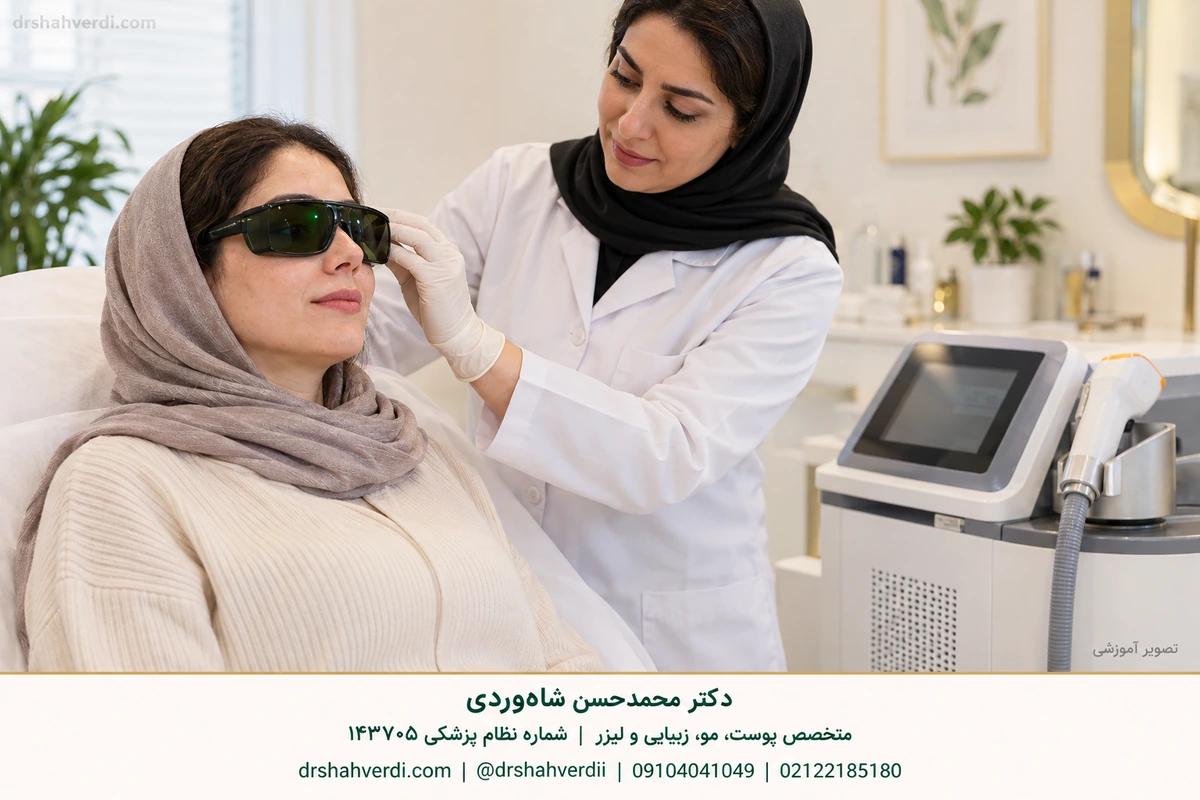
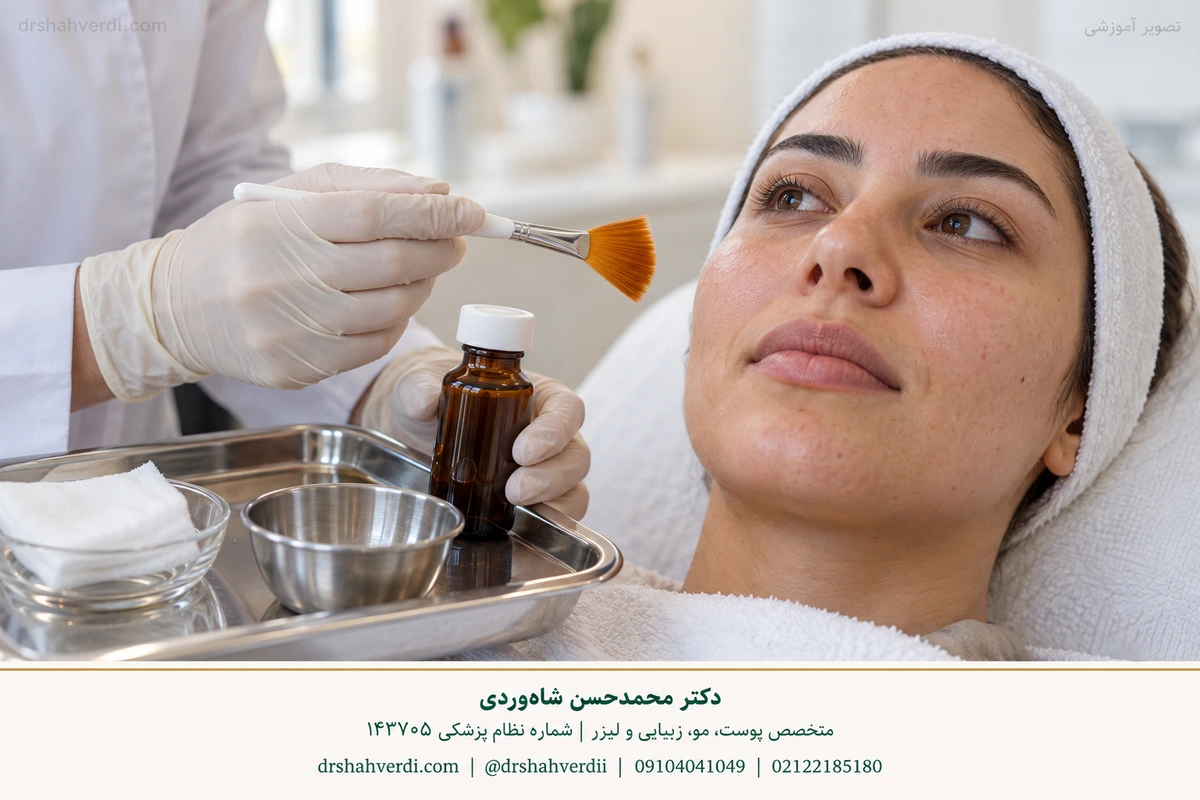
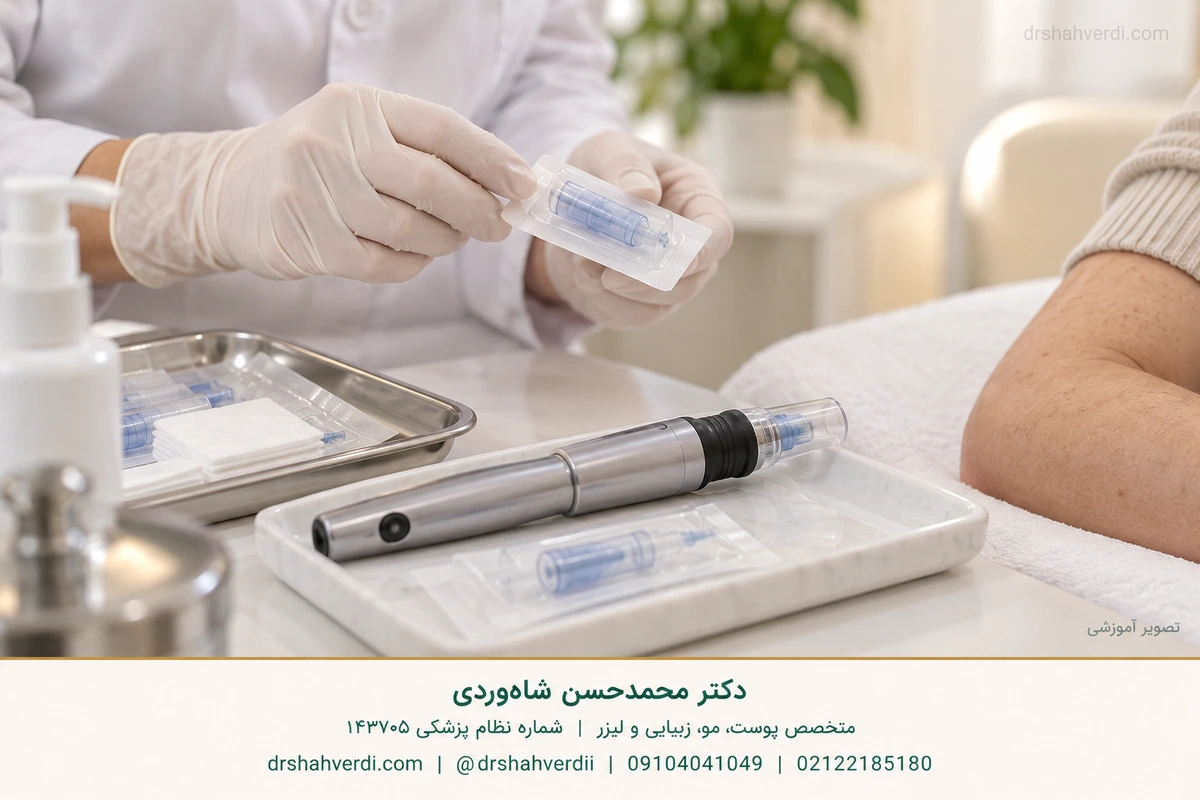
Procedures may support treatment in selected patients: a chemical peel applies a controlled solution to the skin, microneedling uses very fine needles, and lasers deliver selected light. Lasers are generally considered for resistant cases, after suitable medicines and light protection have been reviewed. Procedures can cause irritation or new pigmentation, so the expected benefit and aftercare should be discussed. International expert consensus.
Different routes and procedures need different evidence
Oral, topical and injected tranexamic acid do not share one evidence base, dose or safety assessment. A tablet affects the body systemically and needs review of clotting history, relevant medicines, combined hormonal contraception and other clinical circumstances. A skin product’s performance depends on its formula. An injection or needling-assisted application is an invasive delivery method; an oral result does not validate any injectable cocktail. No universal melasma dosing schedule follows from a 250 mg or 500 mg tablet label.
Scroll sideways to see all columns.
| Procedure | Potential role and limit |
|---|---|
| Chemical peel, including glycolic acid | A controlled superficial treatment may be considered as an adjunct. A stronger peel can cause inflammation and new pigmentation; a home acid product is not the same clinical procedure. |
| Q-switched or picosecond laser | Selected resistant cases may benefit, but relapse, darkening and loss of pigment are concerns. “Pico” names a pulse category, not a promise of a permanent or superior result. |
| Microneedling or mesotherapy | The exact goal, ingredient and route must be specified. Treating pigment differs from treating a depressed acne scar. Evidence for a facial-melasma method cannot automatically be applied to the hands or body. |
Our pico/Q-switched guide, peel guide and needling and mesotherapy guide (Persian) explain selected-study limitations. A 2026 systematic review of picosecond treatment did not establish universal superiority; certainty was limited by small trials. A particular laser subtype’s comparison must not be transferred to every wavelength or device.
What about less established agents?
Small studies have investigated topical methimazole, rucinol (4-n-butylresorcinol) and vitamin C iontophoresis. Methimazole skin research does not justify using thyroid tablets for spots. Rucinol and Thiamidol are different ingredients. Iontophoresis uses electrical delivery and is not the same as applying a vitamin C serum at home. These limited studies do not establish that every product or device is effective or safe in pregnancy. SM-030 remains described as a research treatment in its original trial record; trial registration does not by itself authorise routine treatment or prove efficacy.
Avoid preventable treatment problems
Do not use a prescription combination indefinitely, copy someone else’s course or add home acid peels. Persistent burning, swelling or an unexpected change needs review. Hydroquinone and topical retinoids should be avoided during pregnancy; a hydroquinone/retinoid triple combination is therefore not a pregnancy option. Avoid retinoids when trying to conceive and ask about alternatives. Breastfeeding requires a separate review of the exact medicine and where it will be applied. Oral tranexamic acid is not a cosmetic supplement. Read our retinoid safety guide and tranexamic-acid guide to prepare questions for your clinician.
Scroll sideways to see all columns.
| Problem | Practical response |
|---|---|
| Persistent burning, swelling, blistering or new darkening | Pause the irritating product and contact the treating clinician; stinging is not proof of effectiveness. |
| Blue-black change during prolonged lightening-product use | Arrange examination for a different cause, including possible ochronosis; do not keep increasing the product. |
| Sudden breathlessness, chest pain or one-sided leg swelling while taking a relevant medicine | Seek urgent medical care; do not rely on an online melasma guide to assess a possible clot. |
Support treatment and assess progress fairly
Use light protection consistently and keep the rest of the routine simple. Changing several active products at once makes it difficult to identify irritation or benefit. Record the starting appearance, follow the agreed review interval and compare photographs under similar conditions. Treatment takes time; no fixed deadline guarantees clearance. Ask whether a simpler maintenance routine is appropriate after improvement.
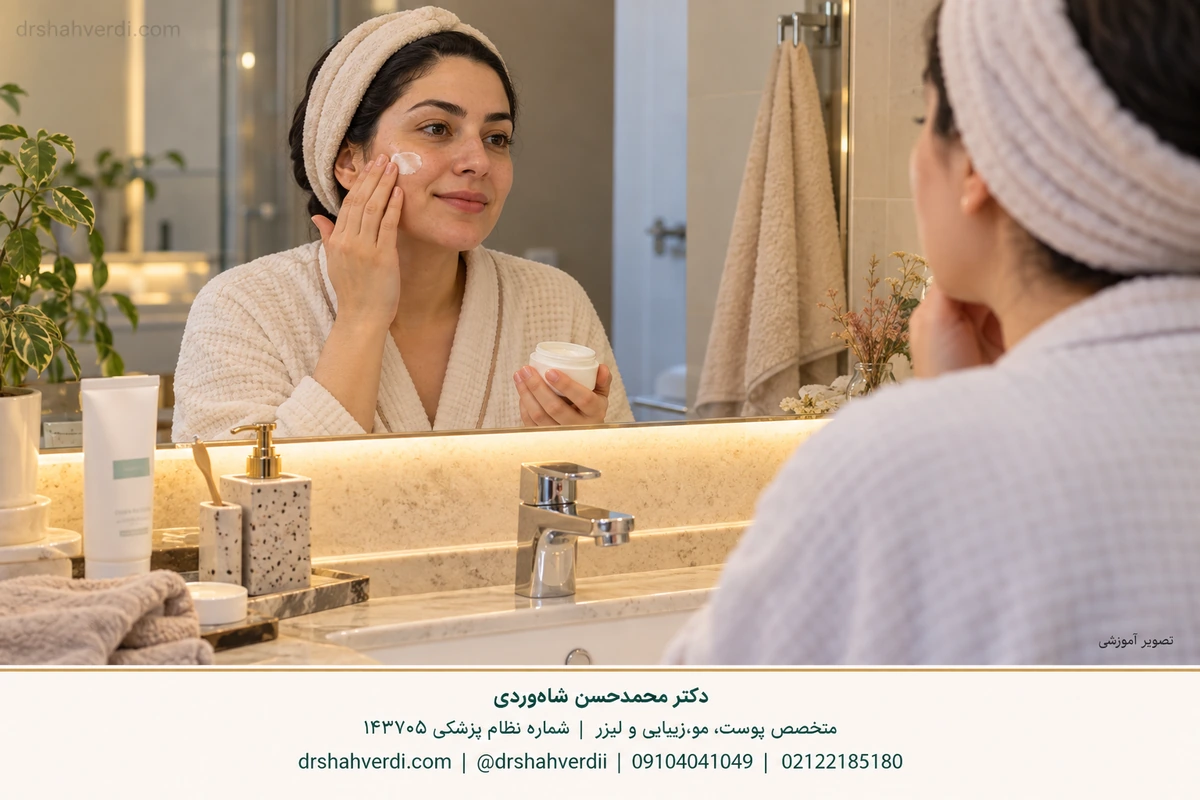
Light protection and a comfortable routine
Choose a broad-spectrum sunscreen with SPF 30 or higher, together with shade and a broad-brimmed hat. Visible light can worsen melasma, especially in darker skin tones; a tinted formula containing iron oxides adds relevant protection. A mineral label, zinc oxide alone or a cosmetic shade does not confirm that a product protects adequately against visible light. Reapply outdoors according to the label, usually every two hours and after sweating or washing. Choose a tolerable texture you can use consistently; an advertising claim such as “best” does not replace label reading. AAD self-care guidance and our focused sunscreen guide (Persian) explain the distinction.
If you have sensitive skin or active eczema, explain burning, scaling and previous reactions before adding active products. Keep the routine simple and agree on changes and a review date. Lemon juice, vinegar, abrasive scrubs and strong home peels can irritate; “natural” does not establish a melasma treatment or reproductive safety. For pigment above the lip after hair removal, or on a neck/body area, first confirm the cause. New or changing patches during menopause should also be assessed rather than treated with a universal hormone-related prescription.
Judge progress with photographs taken in similar light, angle and makeup conditions and by how the skin feels. A promotional before/after photograph without diagnosis, treatment details and comparable conditions cannot establish your expected result. An educational appearance is not a documented treatment outcome.
Questions for your appointment
Ask: Why this option for my diagnosis? What is the expected benefit? What can go wrong? When should I pause or contact the clinic? What happens if the patches return? A procedure quote should also explain aftercare and possible follow-up. Our Tehran consultation guide describes how to arrange an assessment with Dr Mohammadhasan Shahverdi.

Ask for the reason behind each component of the plan and an agreed point for reassessment. Treatment names and device brands do not replace individual selection.
Common treatment questions
Is laser stronger than a cream?
The comparison depends on diagnosis and skin circumstances. A laser may be inappropriate, and procedures can cause or worsen pigmentation.
Can I combine several brightening serums?
Combining products can increase irritation. Review the ingredients and introduce only what fits a clear, tolerable plan.
Should treatment continue after improvement?
The maintenance plan may differ from the initial prescription. Ask which products to continue, reduce or stop, and when to review.
Scientific sources
- Sarkar et al. International Delphi consensus on melasma management. JEADV 2026; online 2025
- American Academy of Dermatology: Melasma diagnosis and treatment
- DermNet: Melasma treatment options and procedural risks
- AAD: melasma self-care
- 2026 Thiamidol facial-hyperpigmentation trial
- 2025 study of a specified 2-MNG formula
- FDA: OTC hydroquinone skin-lightening products
- Topical methimazole comparative trial
- Rucinol split-face trial
- Vitamin C iontophoresis trial
- 2026 picosecond-laser systematic review
- Original SM-030 trial record

بعد از این مطلب، چه بخوانیم؟
ذخیرهسازی اختیاری است و فقط در همین مرورگر انجام میشود؛ بدون حساب کاربری و بدون ارسال فهرست به سایت. روی دستگاه مشترک، دیگران هم میتوانند فهرست را ببینند. با پاکشدن دادههای مرورگر، فهرست از بین میرود.
مطالب ذخیرهشدهٔ من
هنوز مطلبی ذخیره نکردهاید. کنار راهنماهای پیشنهادی، «برای بعد نگه دار» را انتخاب کنید.
همهٔ مطالب ذخیرهشده از این مرورگر حذف شوند؟
حالا دوست دارید چه چیزی روشنتر شود؟
انتخاب شما فقط ترتیب پیشنهادها را عوض میکند؛ برنامهٔ درمانی نیست.


نظر شما، ادامهٔ این مطلب است
کدام بخش برایتان مفید بود؟ چه پرسشی دربارهٔ موضوع مقاله باقی مانده است؟
دیدگاهها پس از بررسی منتشر میشوند. این بخش عمومی است؛ لطفاً شماره تماس، تصویر، نتیجه آزمایش یا اطلاعات شناسایی و پزشکی خصوصی خود را ننویسید. دیدگاهها جایگزین معاینه و مشاوره فردی نیستند.
ثبت دیدگاه برای این مطلب در حال حاضر بسته است.