Hormonal acne in women: assessment, treatment choices and pregnancy safety
Acne that flares around periods or persists in adulthood may be influenced by hormones, but a jawline breakout does not diagnose a hormonal disease. The next step is to identify active acne, its severity and its effect on your life, then choose treatment around your skin, medical history and pregnancy plans.
Contents
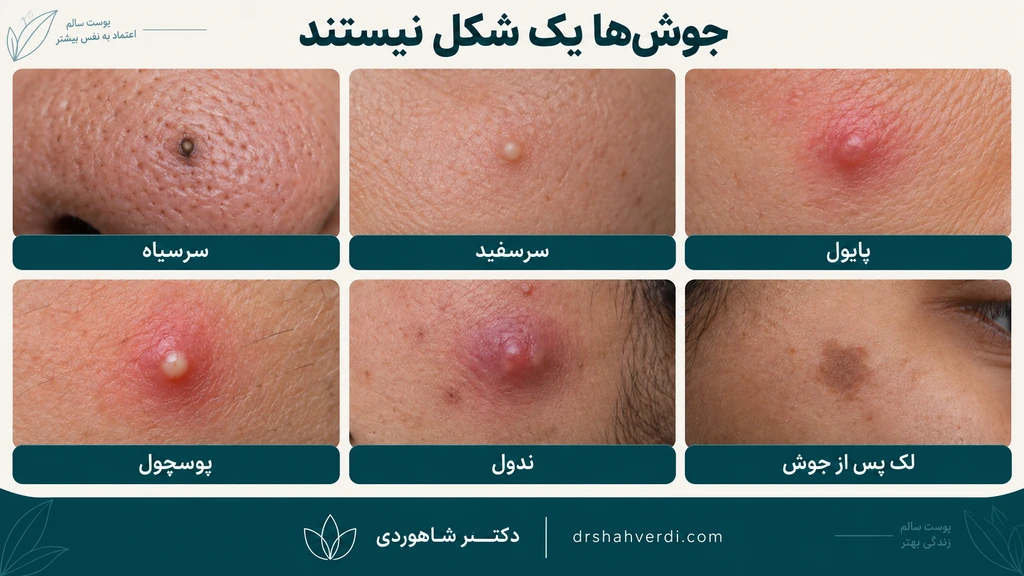
Active acne, marks and scars are different
Blocked pores, inflamed spots and deeper tender lumps can occur together. Flat red or brown marks left after a spot are different from new active lesions; indented or raised scars are different again. Describe what is appearing now, what remains between flares and which areas hurt.
A lower-face pattern or a monthly flare is useful history, not a laboratory diagnosis. Conditions resembling acne may require a different treatment, especially if the eruption is unusually itchy, uniform or linked to a new product. Examination helps avoid repeatedly treating the wrong problem.
When a hormonal assessment is useful
Mention irregular or absent periods, new coarse facial hair, scalp thinning and a rapid change in symptoms. PCOS/PMOS is one possibility when the wider clinical picture supports it. Acne by itself is a weak predictor of biochemical androgen excess, so everyone with acne does not need the same hormone panel.
Bring the onset and flare timeline, contraception changes and medicine list. Supplements and steroid-containing products are worth mentioning too. A dermatologist can assess the skin while reproductive or endocrine findings may need an additional clinician. Do not change prescribed medicines solely to prepare for a test.
Start with a routine you can tolerate
Use gentle cleansing, suitable moisturising and sun protection, and avoid picking. Introducing several active products at once makes irritation difficult to interpret. Keep the routine manageable.
No universal “hormone detox” diet or supplement replaces acne treatment. Record suspected triggers, and discuss restrictive diets and nutrition. Acne is not a reason to blame yourself.
Topical treatment has several possible roles
A clinician may consider topical retinoids, benzoyl peroxide, azelaic acid or combinations according to the presentation. These treatments have different targets and tolerability. Follow the agreed instructions rather than treating every spot with several strong products. Burning and persistent irritation deserve adjustment, not automatic escalation.
Antibiotic treatment requires a plan that considers resistance and an appropriate review. Borrowing an antibiotic or continuing it indefinitely is not a useful long-term strategy. Tell the clinician what you previously tried, how long you used it and whether irritation or practical difficulties stopped you.
Can benzoyl peroxide help acne when you have PCOS?
Benzoyl peroxide is a treatment for acne on the skin. It may form part of a plan for someone who also has PCOS, but it does not treat the ovarian condition, regulate periods or diagnose a hormonal cause. The useful question is whether the type of acne and your skin’s tolerance make it an appropriate part of your individual plan.
Products include a wash that is rinsed off and a preparation left on the skin; instructions are different. Follow the particular product and prescribed plan. More product or a stronger preparation does not mean faster improvement. Dryness, stinging and peeling can occur, and the medicine may bleach hair, towels or clothes. Avoid contact with eyes and damaged skin. NHS benzoyl peroxide guidance.
Ask how to combine it with other acne medicines. Adding acids, scrubs, retinoids or several acne products at once can make irritation harder to identify. A moisturiser and a manageable routine can support treatment. Mention pregnancy, plans to conceive or breastfeeding before choosing the plan; suitability should be checked rather than inferred from an online recommendation.
If severe swelling, a widespread itchy rash or breathing difficulty occurs, stop using the product and obtain urgent medical care. For persistent irritation, worsening acne or deep painful spots, contact your clinician. Our Persian topical-acne guide explains how different active ingredients fit different goals.
Hormonal medicines need individual selection
Combined hormonal contraception or spironolactone may be options for some women with persistent acne. Suitability depends on the wider history, including pregnancy plans and relevant clotting, kidney, medicine or other risks. A search for “best hormonal acne tablet” cannot supply that assessment.
Severe or scarring acne may need other prescriptions and closer monitoring. Oral isotretinoin has important pregnancy-prevention requirements. Ask about the treatment goal, risks and reasons to contact the prescriber.
Discuss pregnancy before starting or continuing treatment
Tell the clinician if you are pregnant, trying to conceive or breastfeeding. Isotretinoin and spironolactone are unsuitable in pregnancy, and topical retinoids are generally avoided. Other approaches may be considered with appropriate advice; “topical” does not automatically mean suitable for every pregnancy.
If pregnancy occurs during treatment, contact the prescriber promptly to review the actual products and next steps. Keep the packaging or ingredient list. Do not assume an online list from another country uses the same preparation or concentration as the product you have.
Review improvement, scarring risk and daily impact
Acne improvement is assessed over weeks rather than a few days. Agree on a review point, track new lesions and note side effects. Deep painful lesions, progressive scarring or a disappointing response should prompt a review rather than another collection of unrelated products.
Tell the clinician if acne affects sleep, relationships, work or mood. That burden matters even when the lesion count looks modest. Seek help promptly for severe psychological distress. The plan should include active acne control and an honest discussion of marks or scars, without promising perfect skin.
Questions patients ask
Does jawline acne prove PCOS?
No. Location and menstrual flares are useful clues, but the broader symptoms and assessment determine whether a hormonal disorder is present.
Can acne treatment remove scars at the same time?
Active acne, flat marks and established scars have different treatment goals. Controlling new inflammation is often an important first step.
Should I keep using a treatment that burns?
Persistent irritation should be discussed. A plan can be adjusted; more discomfort does not establish that treatment is working.
Arrange a skin and hair assessment with Dr Shahverdi

Bring the symptom timeline, medicines and previous reports to discuss the examination and next step. Dr Mohammad Hassan Shahverdi’s dermatology clinic is in Niavaran, Tehran. Contact the clinic for appointment arrangements and language requirements.