Acanthosis nigricans: dark, velvety skin and the next assessment
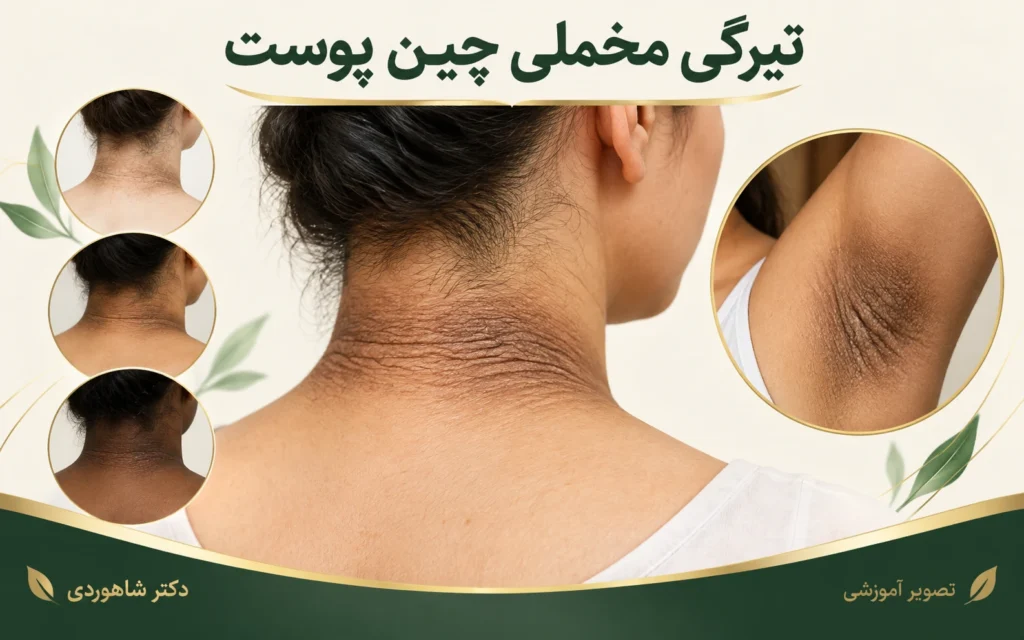
Acanthosis nigricans usually describes darker, thicker skin with a velvety feel, often around the neck, armpits or groin. It can be associated with insulin resistance, but it does not diagnose diabetes by itself. A skin examination helps establish the pattern and decide whether a broader health assessment is needed.
Texture matters as well as colour
The change may develop gradually and can look different across skin tones. Notice the surface texture, thickness, distribution and timing, rather than comparing colour with an online image. Skin tags can occur nearby, but neither tags nor darker folds prove a particular blood-sugar result.
Photographs are useful for showing change, yet lighting and moisture can alter the appearance substantially. Choose a consistent area and lighting if you record progress. An educational picture can help you describe a concern; it cannot replace examining the skin.
Why insulin resistance is discussed
Insulin resistance is one important association, particularly in the right metabolic or PCOS/PMOS context. It means the body responds less effectively to insulin; it is not the same label as diabetes. A clinician considers symptoms, background and suitable glycaemic tests rather than reading a glucose diagnosis from the neck.
Acanthosis can have other contributors, including some medicines, inherited patterns and other conditions. It can occur without the metabolic explanation a reader expects. Bring a medicine list and relevant previous reports. Do not stop a suspected medicine or buy insulin-lowering products without discussing the actual indication.
Other dark-fold changes need their own diagnosis
Friction, irritation and pigment left after inflammation can also darken skin folds. If the area itches, scales, hurts or changes after a new product, say so. Colour alone is an insufficient reason to treat every patch with the same lightening cream.
The clinician may examine several sites and ask about onset, family history and general health. Tests or another referral are selected when they answer a question raised by that examination. A large self-ordered hormone panel can distract from a local skin problem.
Separate health goals from appearance goals
If a metabolic problem is identified, addressing it supports health even when the skin colour changes slowly. The appearance may improve as an underlying contributor is managed, but a complete or immediate clearing cannot be promised. Conversely, lighter skin does not prove that glycaemic health has normalised.
Agree on which follow-up belongs to which goal: laboratory or medical monitoring for the underlying condition, and photographs, texture or comfort for the skin. These measures complement each other. A cosmetic product should not become a substitute for an indicated medical review.
Gentle care while arranging an assessment
This appearance is not a sign that you have failed to wash properly. Repeated harsh scrubbing, bleaching mixtures or several irritating acids can injure the skin and add inflammation. Use a manageable cleansing routine and address chafing or irritation with advice suited to the area.
Before starting a strong lightening or exfoliating treatment, ask whether the diagnosis is established and whether the product suits a sensitive fold. Mention burning, peeling and prior pigment changes. Comfort and avoiding new injury are useful aims while a longer-term plan is discussed.
What a skin treatment discussion should cover
There is no single best cream for everyone with darker folds. A clinician may discuss suitable topical approaches or other options according to texture, symptoms and skin tolerance. Ask what the treatment is intended to change, how it will be reviewed and what reaction should make you contact the clinic.
Do not judge benefit from a photograph taken in different light the next morning. Record product use, irritation and changes at the review interval you agree on. A treatment that improves surface texture may have a different role from treatment of an associated medical condition.
When to seek review sooner
New, rapidly spreading or extensive thickening should be assessed promptly, particularly when accompanied by unexplained weight loss or other new illness. Rare causes require attention in selected circumstances; the presence of a dark neck alone does not mean cancer.
Marked thirst, frequent urination or unexplained weight loss raises a separate concern about glucose health. Seek medical advice promptly, and urgent care if you feel seriously unwell. Pain, broken skin or a severe reaction to a product also deserves review rather than stronger home treatment.
Questions patients ask
Does a dark neck mean diabetes?
No. The pattern can suggest that assessment is worthwhile, but diabetes is established through the relevant medical evaluation and tests.
Will scrubbing remove it?
Harsh rubbing is not a treatment for the underlying pattern and can irritate skin. It is not simply a cleanliness problem.
Can a lightening cream replace metabolic care?
No. Cosmetic improvement and underlying health have different goals and need appropriate follow-up.
Arrange a skin and hair assessment with Dr Shahverdi

Bring the symptom timeline, medicines and previous reports to discuss the examination and next step. Dr Mohammad Hassan Shahverdi’s dermatology clinic is in Niavaran, Tehran. Contact the clinic for appointment arrangements and language requirements.